
Why it matters
Overview
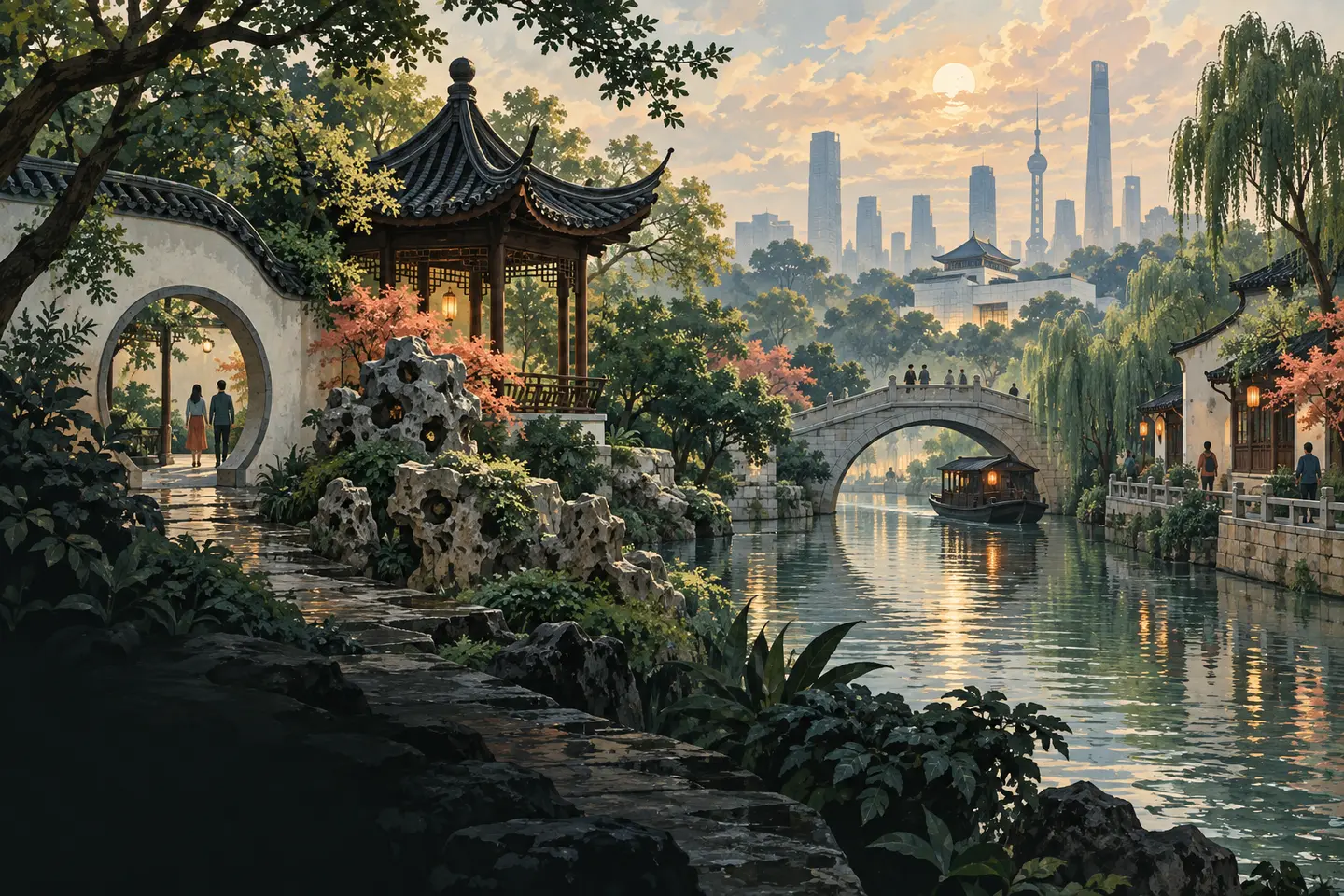
East Lake is one of Wuhan’s defining landscapes, with long shorelines, causeways, gardens and cultural institutions around different sectors. Its size is easy to underestimate. The best experience comes from selecting a theme—lakeside walking, seasonal plants, cycling or museum pairing—and accepting that the rest belongs to another visit.
The most useful way to approach Wuhan East Lake is to connect the visible place with the wider geography and history of Wuhan. A guide can add context, but visitors should still leave time to look carefully rather than moving through a fixed list of photograph points. A large urban-lake landscape that requires choosing one sector rather than trying to circle every shore.
Build the visit
How to plan your time
Choose one entrance and exit before setting out. Pairing a manageable East Lake sector with the Hubei Provincial Museum creates a coherent day in Wuchang. Weather, bloom periods and crowd levels affect the best path, while cycling should be planned around current permitted routes.
Check the current admission, reservation, security and photography rules for the travel date. Opening patterns can change with maintenance, conservation work, weather or public events. The final route should protect the main experience and keep a simpler alternative nearby instead of promising access that has not been confirmed.
Look more closely
What to notice
Lake scale and the relationship with Wuchang. Pause long enough to understand this feature in place, and ask how it connects with the larger Wuhan story rather than treating it as an isolated label.
Causeways, gardens and seasonal landscapes. Pause long enough to understand this feature in place, and ask how it connects with the larger Wuhan story rather than treating it as an isolated label.
How to select one sector for a realistic visit. Pause long enough to understand this feature in place, and ask how it connects with the larger Wuhan story rather than treating it as an isolated label.
Practical planning
Getting there and visiting responsibly
Wuhan has multiple major railway stations. Wuhan, Hankou and Wuchang stations serve different corridors and are not interchangeable, so every ticket and hotel transfer must use the full station name. Metro and taxis cover the city, but river crossings and peak traffic still shape the day. For Wuhan East Lake, confirm the exact entrance and pickup point because a map pin may not represent the visitor gate. Allow margin before any timed entry and avoid placing a critical train or flight immediately afterward.
Distances around East Lake are large, and the city’s three-part geography can create unnecessary travel. Choose one lake sector and one or two neighbourhood clusters per day. Current museum reservations and tower access should be checked in advance. Wear footwear suited to the actual surface, carry water appropriate to the season and follow local barriers. Accessibility varies by route; tell the planner about steps, heat, altitude or walking limits before the day is fixed.
Return to the Wuhan city guide to place this visit in the wider trip. The best same-day pairing is normally a nearby stop that adds a different theme without duplicating transport. The full attraction index compares alternatives, while the day-tour collection offers a ready-made sequence when logistics are the main concern.
Visitor FAQ
Before you go
How much time should I allow for Wuhan East Lake?
Allow enough time for arrival procedures, a focused visit and a calm exit. The final duration depends on current access, group pace and whether a nearby stop is genuinely on the same route.
Do I need to reserve Wuhan East Lake?
Reservation rules can change. Vayora checks the official process for the travel date and does not treat old opening hours or third-party availability as a guarantee.
What should I combine with this visit?
Choose a geographically related Wuhan stop with a different purpose. Use the attraction index and day-tour page rather than crossing the city simply to add another famous name.