
Trip Highlights
Why this journey works
- Understand Pu’er tea from landscape to processing and tasting.
- Spend two nights around Jingmai instead of making a rushed day trip.
- Walk ancient-tea landscapes with locally appropriate access.
- Meet community hosts without compulsory retail stops.
Who This Trip Is For
A good fit if you are…
- Tea enthusiasts and curious first-time tasters.
- Cultural travelers interested in living agricultural heritage.
- Guests comfortable with rural roads and locally run accommodation.
Day-by-Day Itinerary
6 days · Pu’er · Lancang · Jingmai Mountain
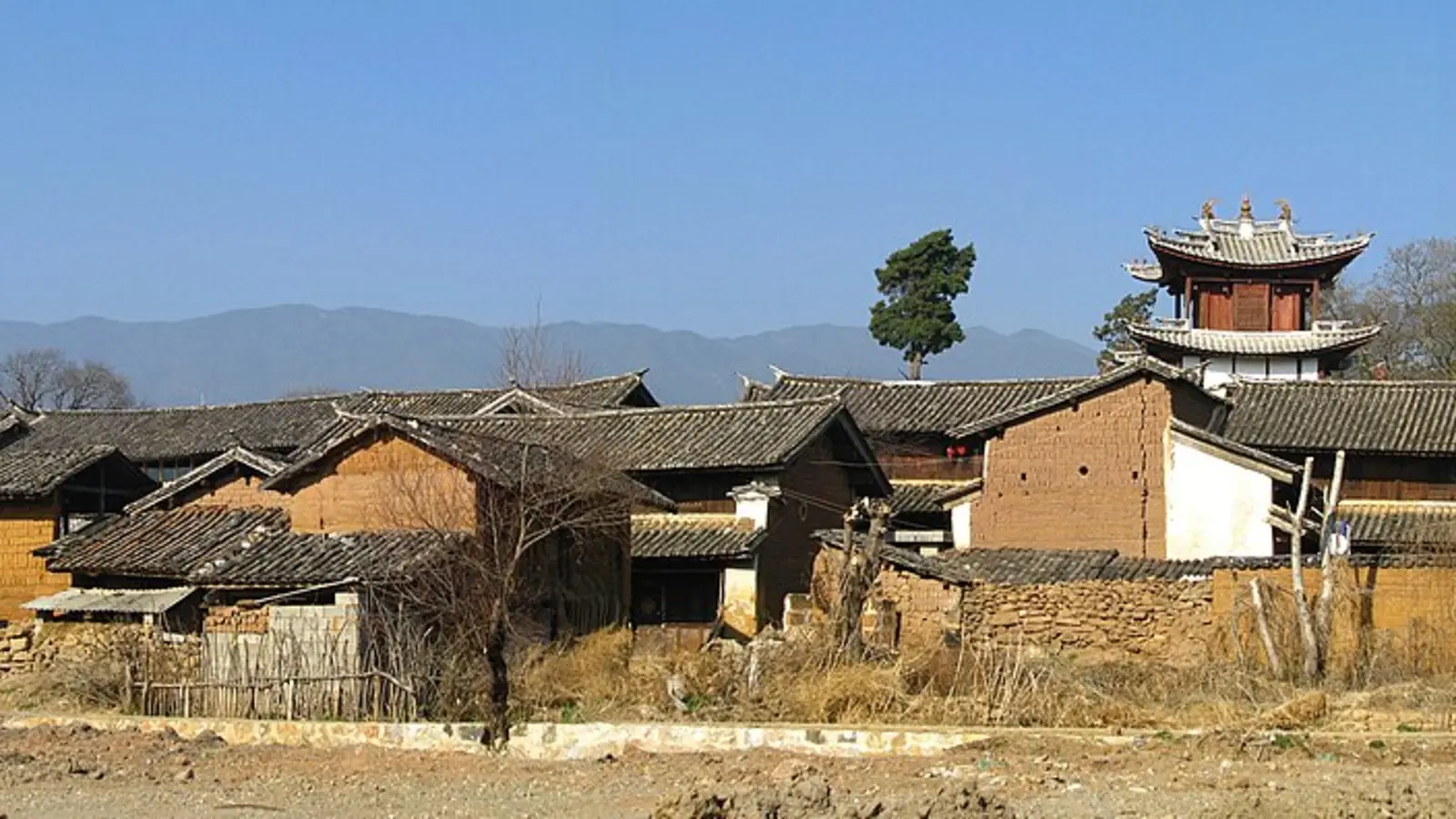
Arrive in Pu’er
Private airport or rail pickup, trip briefing and an introductory tea tasting. Day 1 stays deliberately light in the arrival city, protecting the route if the inbound service runs late. A short orientation near the selected hotel is useful for meals, cash and the next meeting point without consuming a ticketed attraction. Walking remains easy and optional, while luggage is settled before the first overnight.
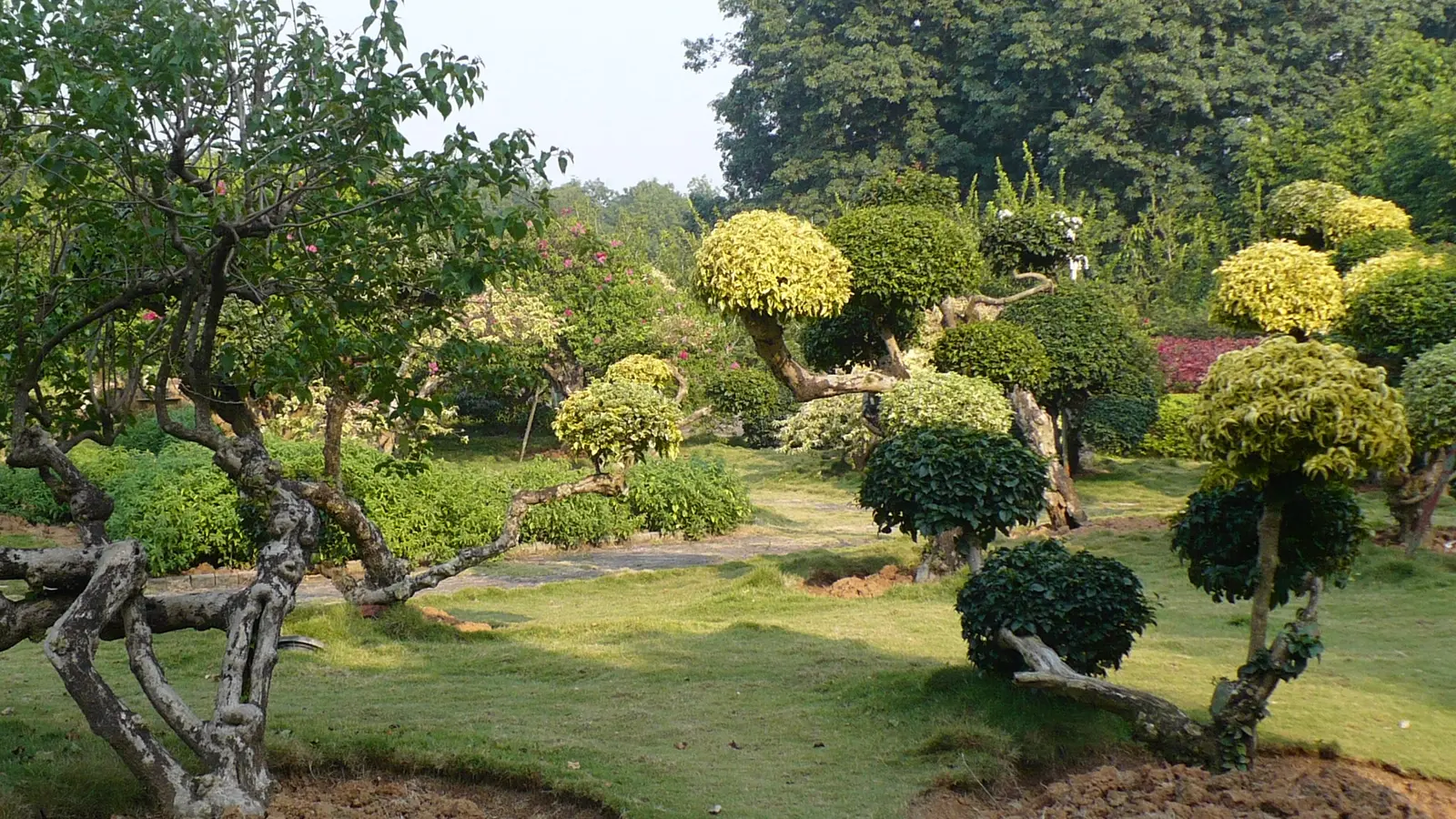
Pu’er culture and tea context
Visit a carefully selected tea institution, market or garden and learn how storage and processing shape flavor. Pu’er culture and tea context earns its place in this route by building a clear foundation in Pu’er processing, storage and flavor before entering the mountain villages. The day works best by using a credible institution, market or garden for comparison and keeping any purchase completely optional. Its practical demand is mostly easy city or garden walking with substantial seated explanation and tasting time.
Pu’er to Jingmai Mountain
Drive toward Lancang and Jingmai with rest stops, then settle into a village-area guesthouse. Travel between Pu’er and Jingmai Mountain sets the practical rhythm, using the regular service or private road stage that fits the confirmed date. Rather than attaching a major prepaid visit, the remaining daylight introduces the area around the Jingmai Mountain stay. Walking is limited on this transfer day, preserving energy for the route’s next full section.
Ancient tea forests and villages
Walk a season-appropriate tea landscape and meet local hosts for cultural and production context. What makes Ancient tea forests and villages worthwhile is seeing old tea trees within Jingmai’s forest-village system rather than as isolated agricultural specimens. For a coherent visit, the plan depends on walking first with a local host and tasting afterward so the cup connects back to landscape and processing. The expected activity level is rural paths with roots or mud, gentle slopes and a pace set by weather and harvest work.
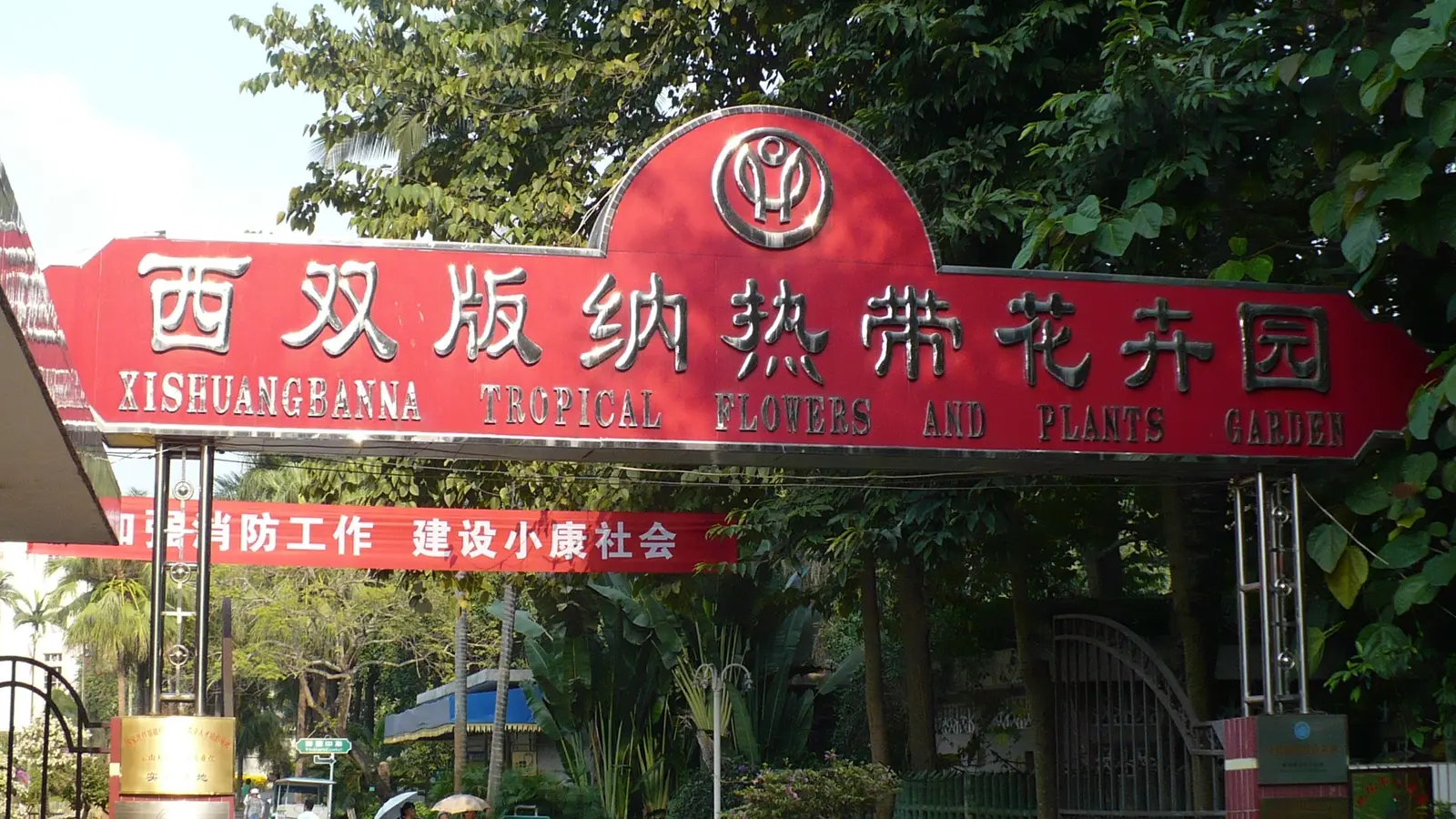
Jingmai at a slower pace
Continue with another village, craft, food or short nature walk rather than repeating a tasting circuit. This section of the journey is reserved for understanding Jingmai’s ancient tea forests as a lived cultural landscape rather than a shopping stop. Day 5 is sequenced by walking with local context before a measured tasting that connects leaf, processing, storage and flavor. On the ground, plan for rural roads and gentle-to-moderate paths, with rain changing which forest section is suitable.
Return or continue to Xishuangbanna
Private transfer for onward travel, with route direction matched to your wider itinerary. A realistic departure from Return or continue provides contingency time for the onward connection to Xishuangbanna. Tickets, luggage limits and both transfer points are reconciled in the dated plan instead of left as assumptions. Only practical terminal walking and a short orientation are expected on day 6.
Practical Planning
Stay, transport and season
Where to stay
- Pu’er city for transport and dining convenience
- Jingmai or Lancang village-area guesthouse
- Best available room with access and heating details confirmed
How you travel
Private vehicle for the mountain section, with flight or rail connections through Pu’er or Jinghong chosen for the wider route.
When to go
October to April is generally drier. Spring tea timing varies by elevation and weather; summer is lush but wetter.
Included / Not Included
What the proposal will make clear
Included
- Private English-speaking guide on touring days
- Private vehicle and driver as described
- Reserved rail tickets or internal flights explicitly listed in the final proposal
- Accommodation with breakfast at the confirmed standard
- Entrance tickets and listed activities in the final itinerary
- Arrival and departure transfers within the planned route
Not included
- International and domestic travel not specifically listed
- Lunches and dinners unless confirmed in the proposal
- Personal expenses, optional shows and activities
- Travel insurance and medical costs
- Tips at the traveler’s discretion
- Costs caused by force majeure or traveler-requested changes
Customization
Make this trip yours
FAQ
Before you choose this trip
Is this trip suitable if I know little about tea?
Yes. Tastings and visits are adapted to your knowledge, from a clear introduction to detailed production discussions.
Is shopping required?
No. Visits are selected for learning and hospitality; any purchase is optional and should never dominate the day.
What is accommodation like on Jingmai Mountain?
It is locally run and simpler than a city hotel. We confirm bathroom, heating, luggage and access expectations before booking.
Keep Exploring Yunnan
Related private journeys